
Handlebars
Upgrading to stiffer, lighter cockpit control is one of the most impactful changes a performance cyclist can make on a road, gravel, or mountain bike build. ELITA ONE Carbon Handlebars deliver that upgrade with unidirectional carbon fiber construction, precise layup schedules, and drop bar profiles engineered for aggressive aerodynamic positioning and confident descending. Shop now at the official store and get the best price on the complete lineup of lightweight drop bars built for racers who demand every advantage.
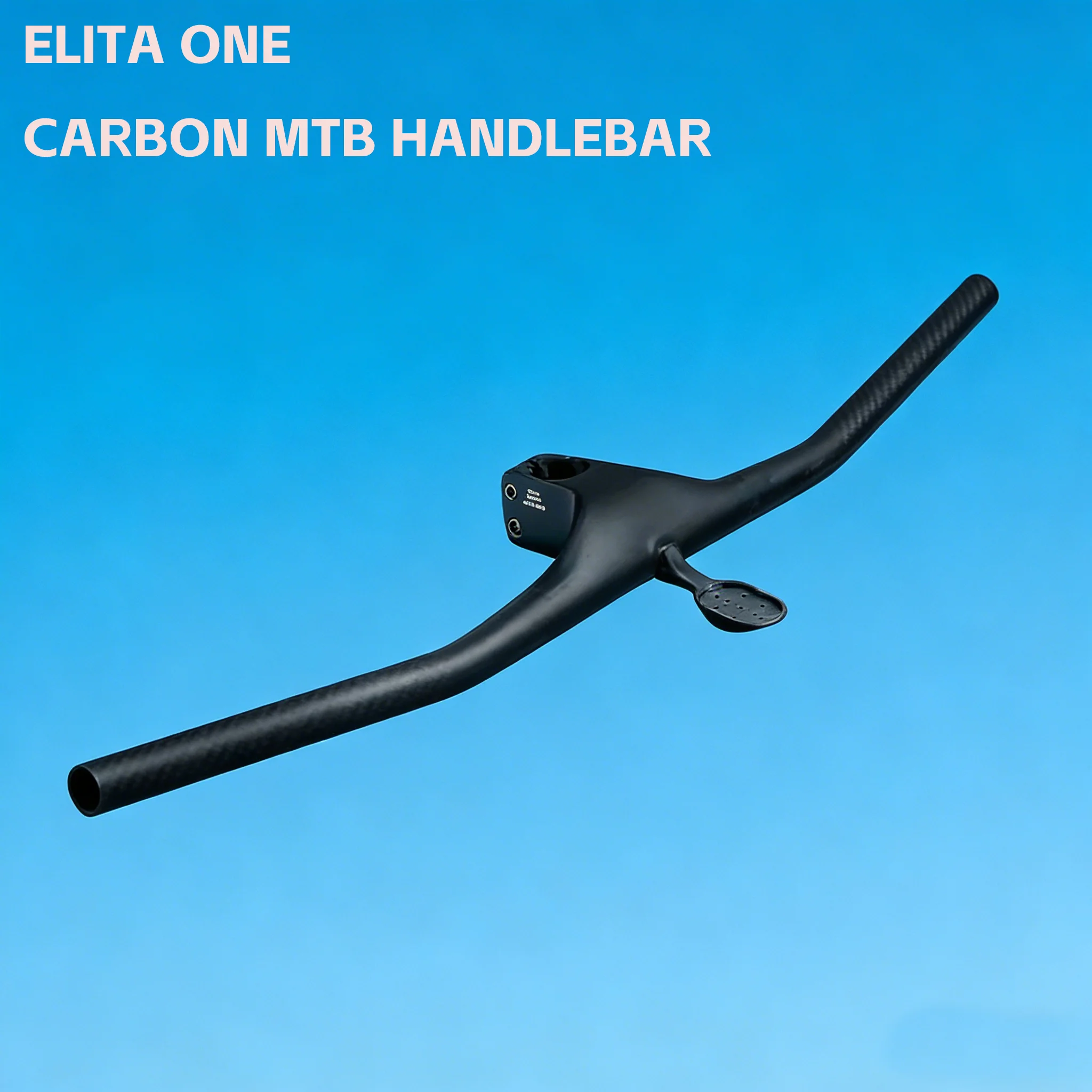


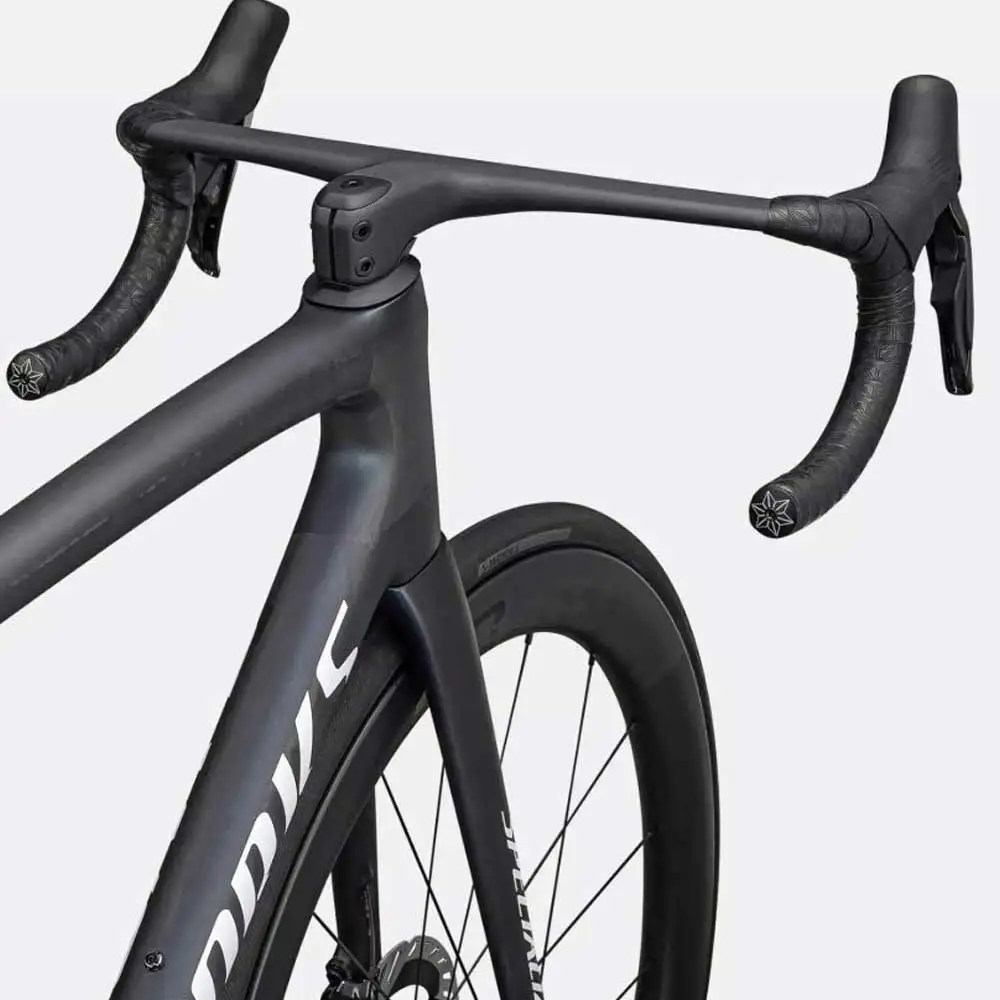
ELITA ONE Carbon Handlebars for Road, Gravel and MTB
ELITA ONE Carbon Handlebars cover a focused range of six models designed to meet the specific demands of road racing, gravel adventure, and trail riding from a single trusted brand. Each bar is engineered with a different reach, drop, and width combination so that riders can match geometry precisely to their riding position rather than compromising with a generic fit. Drop bars in the lineup follow compact, anatomic, and ergo-bend profiles, giving cyclists genuine choice based on flexibility, riding style, and wrist comfort. Gravel-oriented options include flared drops that widen below the hoods, improving stability and control on loose terrain without sacrificing on-road efficiency. Mountain variants address the need for wider, stiffer platforms where torsional rigidity prevents handlebar flex from blurring trail feedback during technical descents. All six models share a 31.8 mm clamp diameter, ensuring broad compatibility with standard road and MTB stems currently on the market. Cyclists upgrading their cockpit can order online with confidence, knowing that every bar fits the most common component standards used today.
Carbon Fiber Technology and Lightweight Drop Bar Construction
Every bar in the range uses high-modulus unidirectional carbon fiber arranged in a multi-angle layup schedule that balances stiffness in the lateral plane with measured compliance along the vertical axis. High-modulus carbon fiber has a stiffness-to-weight ratio that aluminium cannot approach, which is why professional road teams moved to carbon cockpits more than a decade ago and have not returned. The layup schedule is the critical variable that separates a fast bar from a harsh one — stacking plies at 0, 45, and 90 degrees to the bar axis allows engineers to tune each direction of load independently. A protective clear-coat finish over the carbon weave shields the surface from UV degradation and minor abrasion without adding meaningful weight to the finished part. Internal ribbing at the clamp zone redistributes clamping stress across a wider contact area, preventing micro-fracture initiation at the bolt interface over time. Bar ends are finished with a smooth radius to eliminate stress concentrations that straight cuts would introduce under repeated loading. Finished weights start below 200 g for the lightest road models, placing them squarely in the category of lightweight drop bars used by weight-conscious custom builders worldwide.
Why ELITA ONE Outperforms Competing Carbon Handlebar Brands
Many carbon handlebars on the market use low-modulus carbon with heavy resin content to cut production costs, which produces bars that are heavier and less rigid than their specifications suggest. The brand prioritises high-modulus fibers and controlled resin ratios, so the published weight and stiffness figures reflect what riders actually experience on the bike rather than best-case laboratory conditions. Vibration damping at the bar tape contact zone is measurably better than aluminium alternatives, reducing hand fatigue on long rides by absorbing high-frequency road chatter before it reaches the palms. Independent geometry testing confirms that the drop and reach dimensions hold within 1 mm of stated values across production batches, which matters for repeatable fit when replacing bars on a dialed-in setup. Competitor products in the same price bracket frequently show batch variation of 3-5 mm, which forces riders to re-adjust their fit after every replacement. The surface finish quality means bar tape adheres evenly without bubbling at the drop transitions, a small detail that affects both aesthetics and grip consistency. Choosing a bar from a brand that documents its manufacturing tolerances gives riders confidence that what they buy matches what they ordered.
How to Choose and Set Up Your Carbon Drop Bars
Start by measuring your current reach and drop dimensions if you are replacing an existing bar — transferring those numbers directly to a new model avoids the need for a full bike fit after installation. Riders with limited shoulder flexibility benefit from compact drops with 123-128 mm drop depth, while those who spend long hours in the drops can accommodate a deeper 130-135 mm profile comfortably. Width selection follows shoulder width: measure between the acromion points on each shoulder and match that figure in millimetres to the bar width listed in the product specification. Use a torque wrench set to the manufacturer-stated value, typically 4-5 Nm for carbon-to-carbon interfaces, to avoid both under-tightening and crushing the carbon at the clamp zone. Apply a thin, even layer of carbon assembly paste at the clamp contact surface — this increases friction and reduces the clamping force required to prevent rotation, which protects the bar surface. Inspect the clamp zone annually for surface finish changes or audible creaking, both of which signal that re-torquing or professional inspection is advisable before the next ride. Find the right model for your build and order at the best price from the official ELITA ONE store, where full product specifications and compatibility details are listed for every bar in the range.